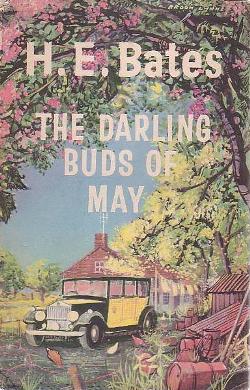
H.E. Bates and The Larkins: Why His Two-Dimensional Characters Endure
In the vast landscape of English literature, few works evoke such a potent blend of idyllic charm, unbridled merriment, and gentle nostalgia as H.E. Bates' beloved "Larkins" series. Spearheaded by the wildly popular novel, The Darling Buds of May, the stories introduce us to the larger-than-life Pop and Ma Larkin and their brood, living a seemingly carefree existence in rural Kent. Yet, for all their widespread adoration and the enduring success of adaptations like the acclaimed TV series starring David Jason, critics often point to a curious paradox: the characters, for all their vivacity, are frequently described as two-dimensional caricatures. How then, does the work of the Darling Buds Of May author, H.E. Bates, manage to capture hearts and remain a cherished part of cultural memory despite this perceived lack of depth? The answer lies in Bates' masterful understanding of escapism, the power of nostalgia, and the sheer, unadulterated joy his creations radiate.
The Art of Living: Simplicity and Escapism
H.E. Bates' literary journey was diverse, encompassing both poignant drama and lighthearted comedy. While some of his more dramatic works, such as Love for Lydia, explored the intricate, often melodramatic lives of the wealthy, they sometimes struggled to forge a deep connection with readers, leaving them with little sympathy for the characters' plight. It is in the realm of comedy, however, that the Darling Buds Of May author truly found his footing, and where the Larkins shine brightest.
The Larkins are, at their core, a testament to simple life values. They operate "off the grid," existing outside the strictures of conventional society, particularly when it comes to the taxman. This lifestyle, far from being depicted as impoverished, is portrayed as one of radical freedom and abundance. They aren't striving for wealth or status; their riches are found in hearty meals, good company, strong liquor, and the natural beauty of their surroundings. This deliberate lack of complex internal conflict or deep psychological introspection is precisely what makes them so enduringly appealing. There's no existential angst, no moral quagmire – just the pursuit of "perfick" happiness. In a world often burdened by complexity and stress, the Larkins offer a potent antidote: a joyous, uncomplicated escape where problems are easily brushed aside and life is lived with an infectious gusto. This focus on external pleasures and uncomplicated contentment allows readers to revel in the sheer enjoyment of their antics without getting bogged down in intricate character arcs or dark underlying themes.
A 'Perfick' Glimpse: Nostalgia and the 1950s Ideal
The world Bates paints in The Darling Buds of May is an homage to a specific, idealized moment in English history: the early 1950s. It’s a time when the scars of the Second World War were fading, but before the relentless march of technology began to reshape rural life. This era, perhaps never existing in quite such an unblemished form, serves as a powerful canvas for nostalgia. For many, including those who encountered the stories through the popular 90s television series, the Larkins represent a yearning for a simpler, more innocent time.
While critics might argue that Pop and Ma Larkin, and their assorted offspring, are mere caricatures or stereotypes of the era, it is this very quality that contributes to their enduring charm. They embody archetypal desires: the desire for freedom from societal constraints, for abundant pleasure, for familial warmth, and for an intimate connection with nature. Pa Larkin, with his bumbling good humour and slightly roguish charm, finds everything "perfick" because he is fortunate enough to inhabit this bubble of rural bliss. If transported to a gritty urban setting, his character might indeed feel darker, even parasitical. However, within the idyllic, sun-drenched landscape of Kent, his amoral tendencies are softened into harmless eccentricity, his gluttony into an appreciation for life's bounty, and his 'wandering hands' into an expression of uninhibited affection. The context is everything, and Bates skillfully crafts an environment where these "two-dimensional" traits resonate as endearing rather than problematic, tapping into a collective longing for a bygone idyll.
The Sensory Feast: Bates' Mastery of Rural Charm and Humor
What truly sets the Darling Buds Of May author apart is his remarkable ability to immerse the reader in the sensory richness of the Larkin's world. H.E. Bates possessed a genius for capturing a rural scene with a few swift brushstrokes, bringing to life the sights, sounds, and smells of the English countryside. But it's in his lavish descriptions of food and drink, and his raucous sense of humour, that the stories truly sing. Imagine a typical Larkin Sunday lunch, enjoyed al fresco in the garden: a spread so sumptuous and vivid that one should certainly not read it on an empty stomach.
Bates doesn't just describe the food; he makes you feel the joy of its consumption, the conviviality of the occasion, and the pure, unadulterated pleasure of a life lived to the fullest. This epicurean appreciation extends to love and human connection, portrayed with a similar lack of inhibition and a warm, embracing spirit. His humor, too, is a cornerstone of the books' appeal. It's an irreverent, gentle fun-poking that "means no harm," allowing readers to laugh at the eccentricities of characters they would easily recognize from mid-century Britain. This blend of sensory delight, good-natured humour, and an unwavering celebration of life's simple pleasures transforms potentially flat characters into figures of immense appeal. They become conduits for a deeply felt experience of joy and abundance, prompting readers to perhaps embrace a little more Larkin-esque spontaneity and pleasure in their own lives.
Beyond Depth: Why We Connect with the Larkins
The ultimate test of any enduring book often comes down to a simple question: do you care about the characters after the last page is turned? Despite the critical assessments of their two-dimensionality, for many readers, the Larkins pass this test with flying colours. There’s an undeniable desire to know what happens next, to follow their continuing escapades. This connection stems not from their complex psychological profiles or profound character development, but from something more primal and aspirational.
The Larkins represent a fantasy: the freedom to live exactly as one pleases, unbound by societal expectations or financial worries. They embody a spirit of optimism, resilience, and an unwavering belief in the goodness of life, regardless of circumstance. We care about them because, in a way, we aspire to their carefree existence, to their ability to find joy in every moment, and to their unshakeable familial bond. They are not merely characters; they are an embodiment of an ideal, a soothing balm against the anxieties of modern life. The Darling Buds Of May author understood that sometimes, emotional resonance and wish fulfillment can trump detailed psychological realism, forging a connection that endures precisely because it allows us to dream of a "perfick" life, even if only within the pages of a book.
In conclusion, H.E. Bates’ "Larkins" series, particularly The Darling Buds of May, stands as a testament to the power of joyous storytelling over strict realism. While Pop, Ma, and their clan may indeed be two-dimensional caricatures, it is this very quality, combined with Bates' comedic genius, vivid descriptions of rural life, and celebration of simple pleasures, that grants them their enduring appeal. They offer a potent cocktail of escapism and nostalgia, transporting readers to an idealized post-war England where life is lived to the full, taxes are a mere suggestion, and every day is "perfick." The enduring legacy of the Darling Buds Of May author reminds us that sometimes, the most cherished characters are not those who reflect our complex realities, but those who invite us to simply smile, dream, and embrace the unadulterated joy of living.